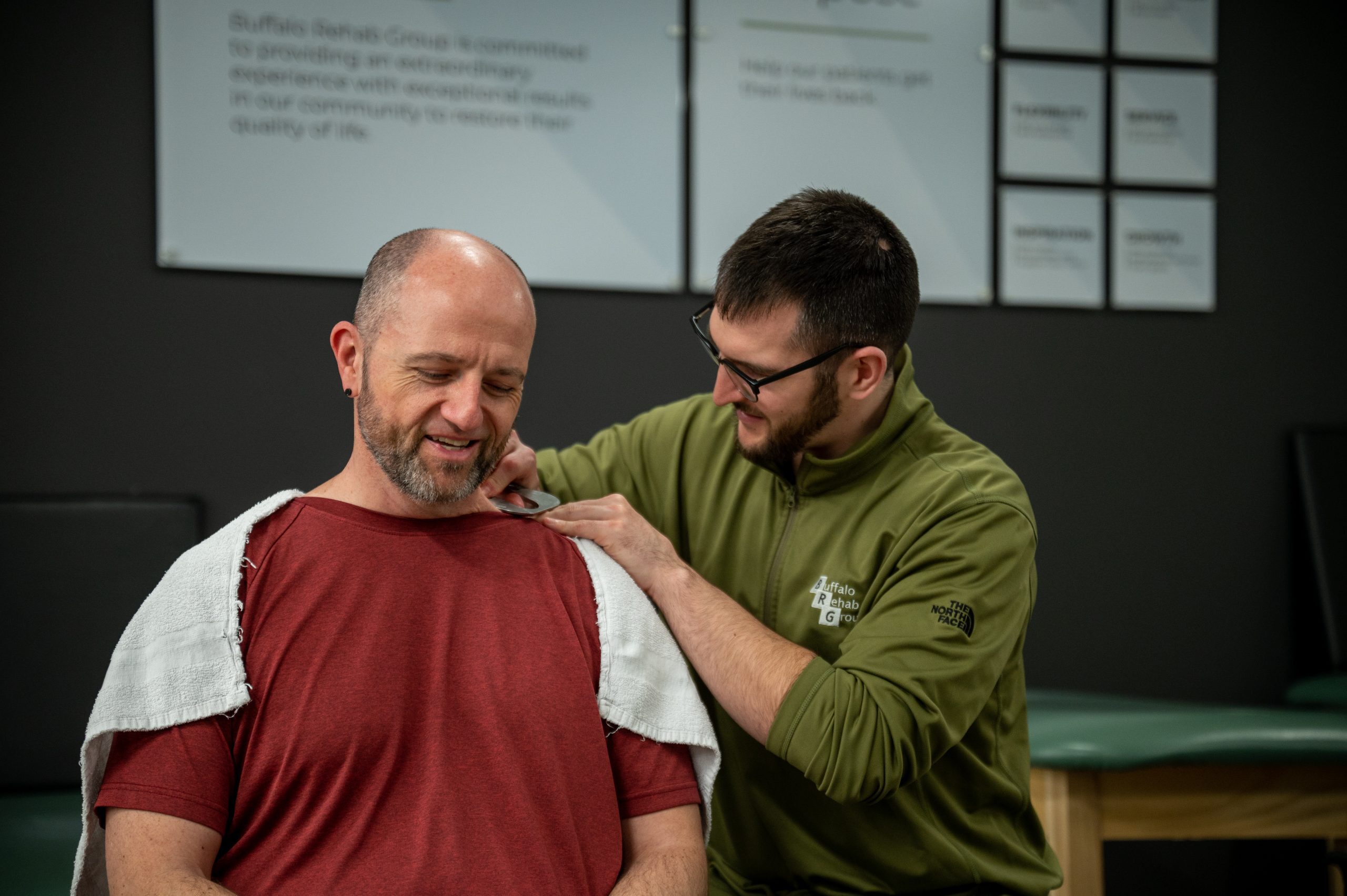
Is RICE Still Right? Rethinking RICE Injury Recovery
For years, the go-to advice after a sprain or strain was simple: Rest, Ice, Compression, Elevation. But new research shows that stopping inflammation completely might not be the best path to healing.
This is the first article in a two-part series. Here we will look at why RICE is being questioned and what the latest science says about rest, ice, and inflammation. In Part 2, we will share the updated methods athletes, parents, and coaches can use to recover smarter and get back in the game.
Where RICE Came From
The RICE method was first popularized in the late 1970s and became the rulebook for treating sprains and strains. The idea was simple: shut down swelling and let the body rest. For decades, it felt like common sense.
But even the doctor who coined RICE later admitted that too much rest and ice may actually slow healing instead of speeding it up.
Why Inflammation Is Part of Healing
Inflammation often gets a bad rap, but it is actually how your body starts repairing itself. Those first few days after an injury are when the body sends in “cleanup cells” that clear damage and trigger rebuilding. If you completely shut that process down with endless ice or anti-inflammatories, you may delay recovery.
Think of inflammation like a construction crew: you would not want to send them home before the work is done.
Ice for Comfort, Not for Healing
Ice is not all bad. It is still a great way to take the edge off pain right after an injury, especially when swelling is extreme. The key is to use it for comfort, not as a cure. Research shows that while ice can make you feel better in the short term, it does not necessarily help tissues heal faster.
So yes, grab the ice pack if you need relief, but do not rely on it to “fix” the injury.
Movement Over Rest
Here is the biggest shift: complete rest is out, smart movement is in. Studies show that gentle motion, introduced early, helps clear swelling and gets tissues rebuilding. For ankle sprains, athletes who started controlled exercises within the first week bounced back quicker than those who stuck with full RICE.
Movement acts like a natural pump for your body. When muscles contract, they push fluid through the lymphatic system, clearing waste and bringing in fresh nutrients. That circulation is essential for healing. Total rest keeps swelling trapped and slows progress.
For parents and coaches, this means encouraging safe, guided movement as soon as it is tolerated. For recreational athletes, this might look like light range of motion work, gentle walking, or early rehab exercises under a therapist’s guidance. The key is to move within a pain-free range, not to push through pain.
Key Takeaways for Parents, Coaches, and Athletes
-
-
- Ice for comfort, not as your main recovery plan
- Do not fear inflammation, it is part of healing
- Avoid total rest; gentle, guided movement is usually better
- When in doubt, get advice from a physical therapist to know how and when to safely load the injury
-
FAQ
What does RICE stand for in injury recovery?
RICE stands for Rest, Ice, Compression, and Elevation. It was the traditional method for treating sprains and strains for decades.
Is the RICE method still recommended for sports injuries?
Newer research shows that while parts of RICE can help with short-term comfort, complete rest and heavy icing may actually slow healing. Active recovery is now considered more effective.
Why is inflammation important after an injury?
Inflammation kick-starts the healing process by clearing damaged tissue and bringing in the building blocks needed for repair. Suppressing it too much can delay recovery.
Should I still use ice after a sprain or strain?
Yes, but mainly for pain relief. Ice helps numb pain and limit swelling right after an injury, but it does not speed up long-term healing.
When should I start moving after an injury?
Gentle, pain-free movement should begin as soon as it feels safe. Movement helps reduce swelling, improves circulation, and gets tissues healing. A physical therapist can guide what type of activity is best.
Is complete rest ever a good idea for injuries?
Short periods of rest can help protect the injury in the first day or two, but staying inactive for too long slows recovery. The goal is to safely reintroduce motion as soon as possible.
What should I do instead of RICE for injury recovery?
Newer methods like PEACE & LOVE focus on protection, education, and gradual loading of the injured area. These approaches emphasize movement and active rehab over complete rest.
Coming Up Next
This article is Part 1 of a two-part series on injury recovery. In Part 2, we will explore newer, athlete-friendly approaches like the PEACE & LOVE method and how you can apply them on the field, at practice, or in your own training.
Injuries Happen — but Recovery Doesn’t Have to Mean Stopping Everything.
Whether you’re an athlete, coach, or active parent, understanding how the body truly heals can make all the difference. By rethinking outdated recovery methods, you can bounce back smarter, faster, and stronger.
If pain or injury is holding you back, Buffalo Rehab Group’s Physical and Occupational Therapists are here to help. From early recovery to smart movement strategies, we’ll guide you through a plan built around how the body actually heals.
Treatment is covered by insurance, no referral is needed, and with flexible in-clinic and virtual appointments, getting started is easy.
Explore More Fitness & Wellness Resources
Discover expert tips, exercises, and recovery advice to keep you moving and feeling your best