
Top 5 Wearable Health Devices: What They Track and Why It Matters
Wearable health devices have become powerful tools for people looking to better understand their bodies, improve daily habits, and take a more proactive role in their health.
From monitoring sleep and recovery to tracking movement, heart rate, and stress, these devices can provide meaningful insights, especially when paired with guidance from a primary care provider or physical therapist.
Below are five of the most popular wearable devices, how they support wellness, and what to keep in mind when using them.
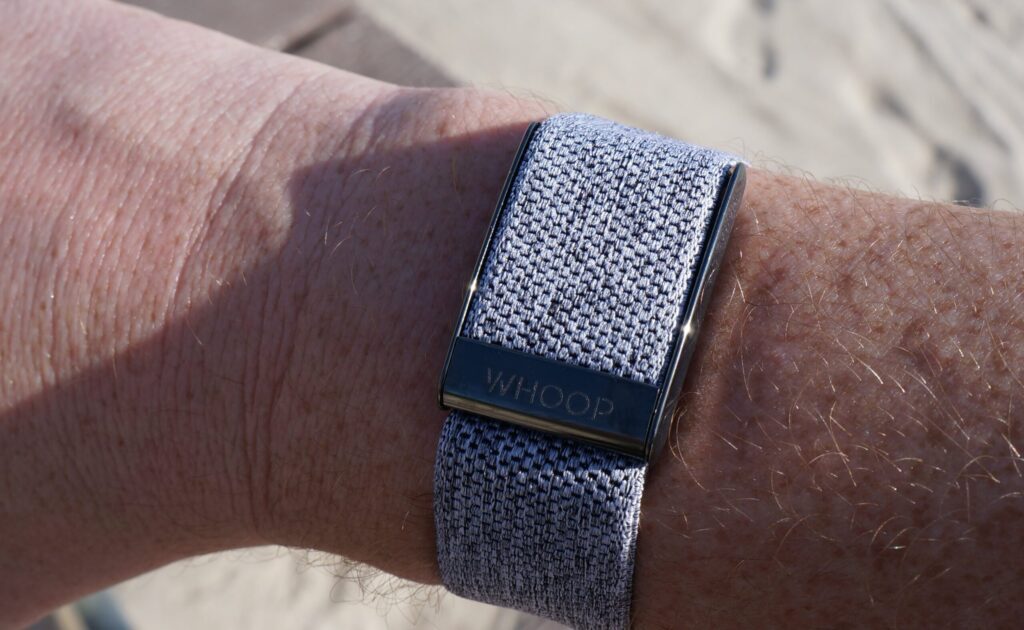
1. Whoop
Best for: Recovery, sleep, and strain management
Whoop focuses on recovery and readiness rather than steps or calories. It tracks heart rate variability (HRV), resting heart rate, sleep quality, and daily strain to help users understand how their body responds to stress and exercise.
Benefits:
-
- Helps prevent overtraining and burnout
- Useful for athletes and highly active individuals
- Can support physical therapy conversations around recovery and workload
Considerations: Low recovery scores can feel discouraging, even on days you feel great. Trends over time matter more than daily scores.
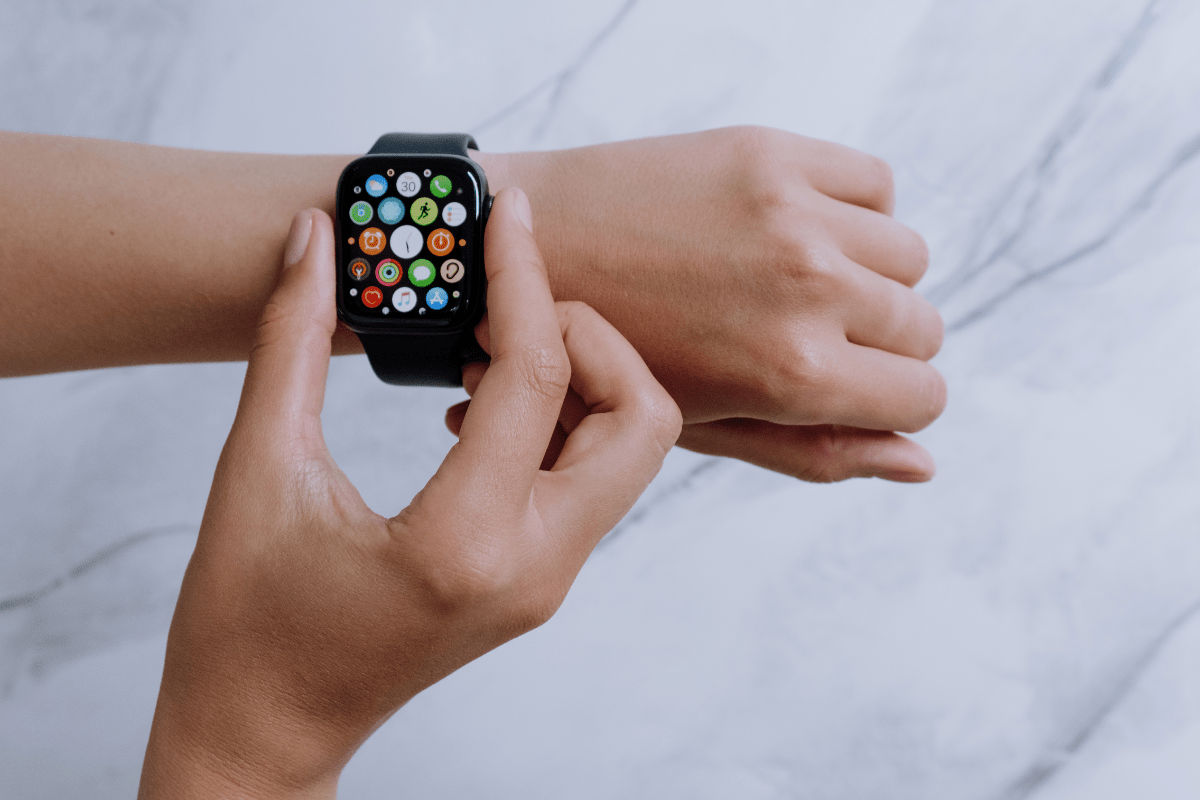
2. Apple Watch
Best for: All-around health monitoring and accessibility
The Apple Watch offers broad health tracking, including movement, heart rate, sleep, mobility trends, and fall detection. Its integration with health apps makes it easy to share data with healthcare providers.
Benefits:
-
- Encourages consistent daily movement
- Fall detection can support safety for older adults
- Easy-to-read health trends over time
Considerations: Constant notifications may increase stress. Turning off alerts can help you stay focused on overall wellness rather than constant metrics.
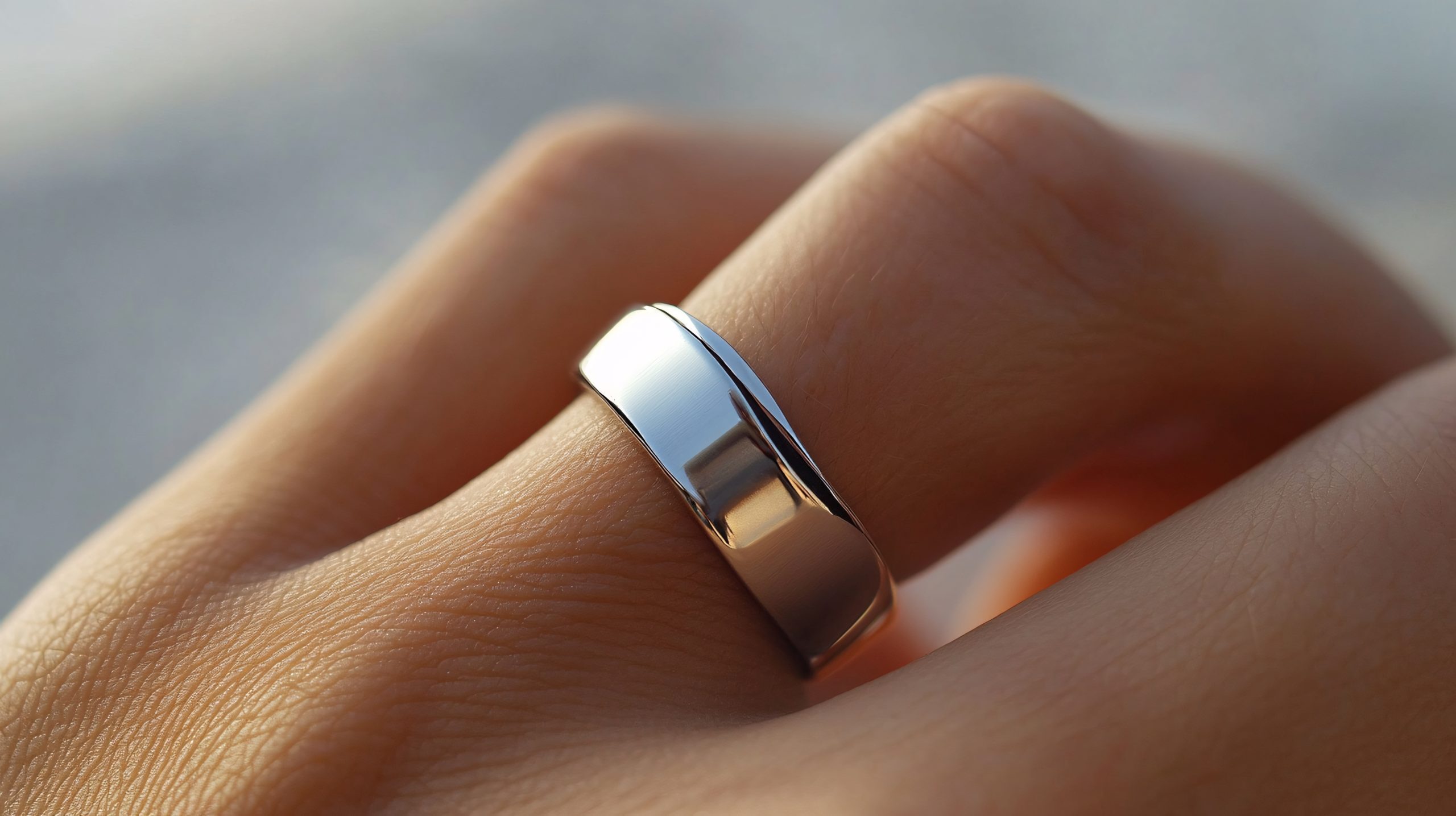
3. Oura Ring
Best for: Sleep quality, readiness, and recovery
The Oura Ring is a minimalist wearable that prioritizes sleep and recovery. It tracks sleep stages, body temperature trends, HRV, and readiness, without the distraction of a screen.
Benefits:
-
- Excellent for identifying sleep patterns
- Highlights how stress, illness, or routine changes affect recovery
- Comfortable and unobtrusive
Considerations: You may feel rested but see lower sleep scores. Use this information as insight, not as a measure of failure.
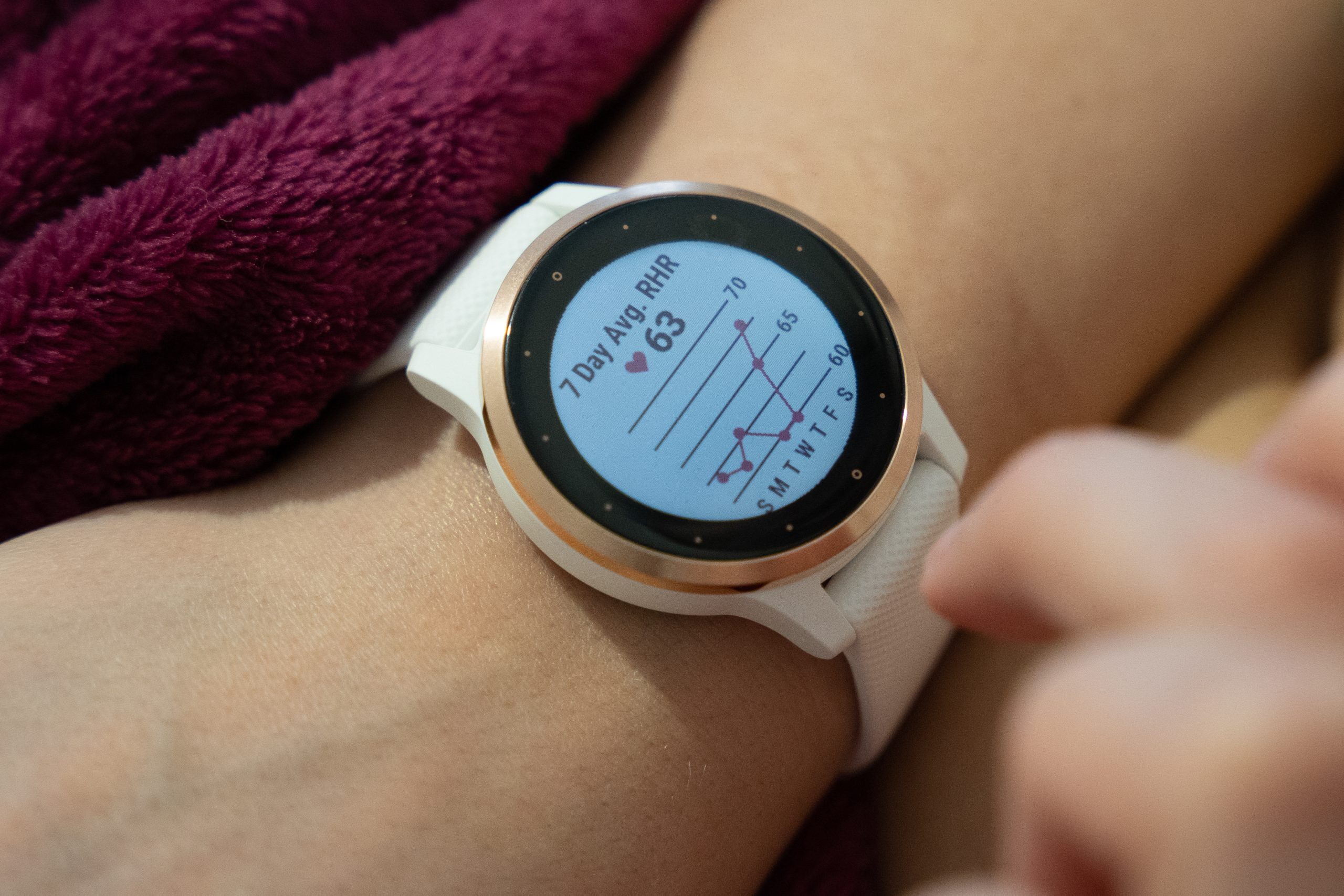
4. Garmin
Best for: Fitness performance and outdoor activity
Garmin devices are popular among runners, cyclists, and outdoor enthusiasts. They offer detailed metrics such as heart rate zones, training load, endurance, and recovery time.
Benefits:
-
- Supports structured training and progression
- Helps monitor fatigue and overuse risk
- Useful data for physical therapists during return-to-activity plans
Considerations: Performance metrics can feel overwhelming. Focus on long-term patterns rather than daily fluctuations.
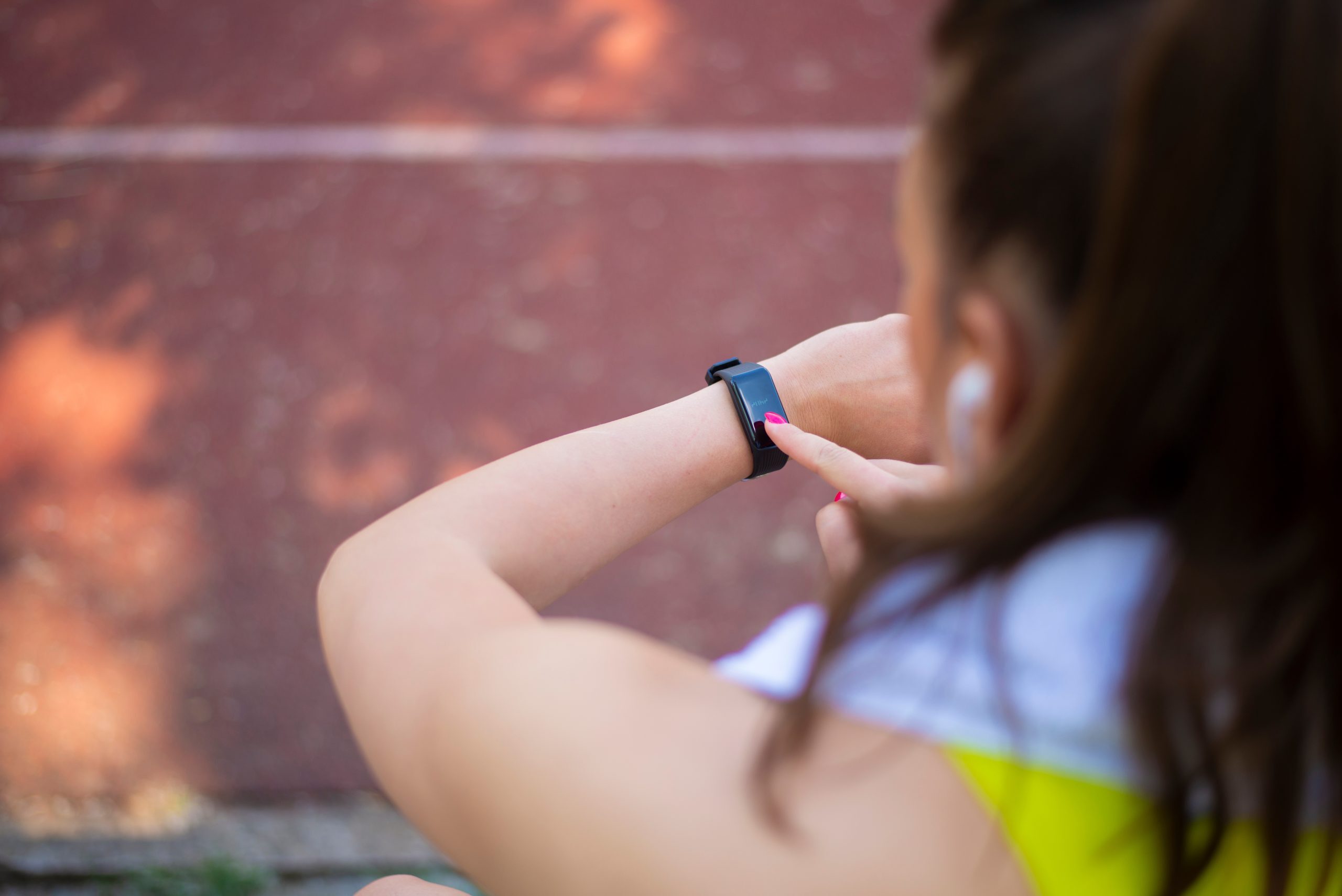
5. Fitbit
Best for: Beginner-friendly health tracking
Owned by Fitbit, Fitbit devices are accessible and easy to use. They track steps, activity minutes, heart rate, sleep, and stress levels, making them a great entry point into wearable health.
Benefits:
-
- Encourages consistent movement
- Simple dashboards and goals
- Affordable options for beginners
Considerations: Step goals may feel limiting on rest or recovery days. Remember that rest is part of progress.
How Wearable Data Can Support Your Healthcare Team
Wearable data can enhance care when shared with your primary care provider or physical therapist by offering insight into:
-
- Sleep consistency and recovery trends
- Daily activity levels and mobility patterns
- Heart rate responses to exercise or stress
- Habits that may contribute to pain, fatigue, or injury
This data is most effective when paired with a clinical evaluation and professional guidance, not used in isolation.
Managing Frustration with Wearable Health Data
It’s common to experience frustration when wearable data doesn’t align with how you feel. You may:
-
- Feel energized despite poor sleep scores
- Become overly focused on numbers
- Compare your data to others instead of your own progress
If this happens, take a step back. Pay attention to your energy levels, mood, pain, and confidence. Wearables should support awareness, not create anxiety.
Are wearable health devices accurate?
Wearables provide estimates and trends, not medical diagnoses. They are most useful for identifying patterns over time rather than exact measurements.
Can I share wearable data with my doctor or physical therapist?
Yes. Many providers find wearable data helpful for understanding sleep habits, activity levels, and recovery patterns when combined with an in-person evaluation.
Which wearable is best for physical therapy or injury prevention?
Devices that track recovery, activity trends, and heart rate, such as Whoop, Garmin, and Apple Watch, can be especially useful when working with a physical therapist.
Can wearables increase stress or anxiety?
Yes. Constant monitoring or low scores can create stress for some people. If this happens, consider reducing how often you check your data or taking breaks from tracking.
Should I stop using a wearable if it frustrates me?
Not necessarily, but it’s okay to step back. Focus on how you feel physically and mentally, and use data as a tool, not a rulebook.
The Bottom Line
Wearable devices can be powerful tools for improving health awareness, supporting conversations with healthcare providers, and encouraging healthier habits. The key is balance, using the data to inform decisions while listening to your body and trusting professional guidance.
Your wellness journey is personal. Wearables should help you feel more empowered, not more pressured.
Get Your Life Back
Our Physical and Occupational Therapy team is here to help you get your life back.
Treatment is covered by insurance, no referral is required to start, and with flexible in-clinic and virtual appointments available, you can find a time that works with your schedule.
Call 716-458-1990 or use this button to schedule online: